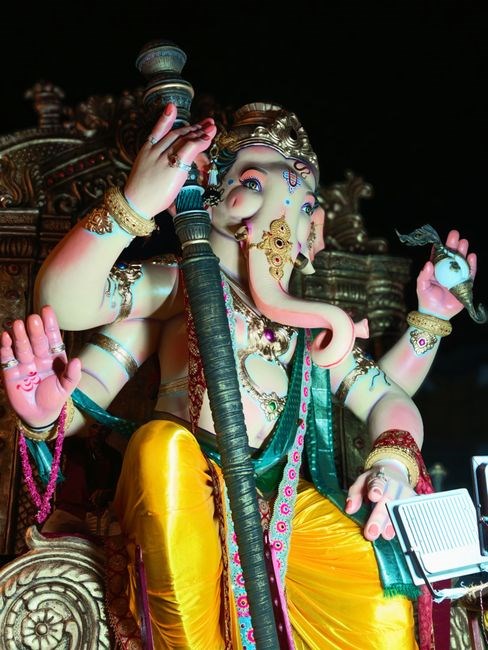
On 08/27/2026‚ the digital archive highlights that Wednesday is devoted to Lord Ganesha‚ the remover of obstacles‚ also known as Vighnaharta. A Ganesh Stotram PDF offers devotees a concise‚ accessible chant‚ enabling daily worship and spiritual focus. The PDF format ensures portability and ease of sharing across devices.

Historical Context of Ganesh Stotram
Ganesh Stotram‚ a devotional hymn praising the elephant‑headed deity‚ traces its roots to ancient Vedic literature and Puranic lore. Scholars note that the earliest references to Ganesha appear in the Mahabharata and Vishnu Purana‚ where he is invoked as the remover of obstacles. The Ganapati Atharvashirsha‚ a 12th‑century Sanskrit composition‚ is considered one of the most authoritative stotras‚ detailing Ganesha’s iconography and attributes. Over centuries‚ regional variations emerged‚ with Tamil‚ Kannada‚ and Marathi traditions adding local verses; The advent of printing in the 19th century allowed these hymns to be disseminated widely‚ and by the mid‑20th century‚ modern translations in English and other languages began to appear. Today‚ digital PDFs of Ganesh Stotram are readily available‚ preserving the oral tradition in a format that can be accessed worldwide. These documents serve both as a resource for scholarly study and as a convenient tool for daily worship‚ ensuring that the ancient chants continue to resonate with contemporary devotees.
On 08/27/2026‚ the digital archive highlights that Wednesday is devoted to Lord Ganesha‚ the remover of obstacles‚ also known as Vighnaharta. A Ganesh Stotram PDF offers devotees a concise‚ accessible chant‚ enabling daily worship and spiritual focus. The PDF format ensures portability and ease of sharing across devices.

Ganesh Ganapati Stotram
The Ganesh Ganapati Stotram‚ a revered hymn dedicated to Lord Ganesha‚ is widely circulated in PDF format for easy access by devotees worldwide. Composed in Sanskrit‚ the stotram praises the elephant‑headed deity’s attributes—wisdom‚ auspiciousness‚ and the power to remove obstacles. Its verses highlight Ganesha’s role as the patron of learning and the remover of Vighna‚ inviting seekers to seek his blessings before embarking on any new endeavor. The rhythmic cadence facilitates memorization and recitation‚ making it a staple in daily worship rituals. Many devotees incorporate the stotram into their morning puja‚ chanting it alongside other Vighnaharta mantras to invoke divine guidance and protection. The PDF version often includes transliteration‚ meaning‚ and commentary‚ allowing practitioners to understand each line’s significance. Scholars note that the stotram’s structure follows traditional stotra conventions‚ with a balanced meter and lyrical appeal that resonates across generations. By engaging with the Ganesh Ganapati Stotram‚ worshippers reinforce their devotion‚ cultivate mindfulness‚ and align their intentions with the deity’s benevolent energy. The PDF format ensures that this sacred text remains accessible‚ portable‚ and ready for use in both personal and communal settings‚ preserving the rich heritage of Ganesha worship. In addition‚ the stotram is often recited during festivals such as Ganesh Chaturthi‚ where devotees gather in large numbers to honor the deity’s presence. The inclusion of transliteration and translation in the PDF ensures that even those unfamiliar with Sanskrit can participate fully‚ translating the divine words into their own language.
Ganesha Stuti by Swami Vivekananda
Swami Vivekananda‚ a towering figure of modern Hindu spirituality‚ composed a heartfelt Ganesha Stuti that has become a staple in contemporary devotional practice. The stuti‚ rendered in Sanskrit and translated into multiple languages‚ is frequently distributed as a PDF to facilitate quick reference and widespread dissemination; Its verses encapsulate Vivekananda’s philosophical vision‚ emphasizing Ganesha’s role as the remover of obstacles‚ the patron of intellect‚ and the embodiment of divine grace. The stuti begins with a reverent invocation‚ calling upon the elephant‑headed lord to bestow wisdom and clarity upon seekers. Each stanza is meticulously crafted to reflect the guru’s emphasis on self‑realization and the pursuit of higher knowledge. The language is both lyrical and instructive‚ encouraging devotees to internalize the teachings while chanting. In the PDF version‚ the stuti is often accompanied by a brief commentary that elucidates the symbolic meanings behind each verse‚ allowing readers to appreciate the depth of Vivekananda’s insight. The document is formatted for clarity‚ with clear headings‚ transliteration‚ and English translation‚ making it accessible to a global audience. Many practitioners use the PDF during daily puja‚ especially before commencing study or work‚ to invoke Ganesha’s blessings for success and obstacle removal. The stuti’s popularity is reflected in its frequent appearance in digital libraries‚ spiritual forums‚ and devotional apps‚ where users can download‚ print‚ or share the PDF with fellow devotees. By engaging with Vivekananda’s Ganesha Stuti‚ worshippers not only honor the deity but also align themselves with the sage’s call to integrate spiritual wisdom into everyday life. Its digital format allows instant sharing across social media‚ ensuring that the blessings of Ganesha reach a broader audience.
Ganesh Chalisa in PDF
The Ganesh Chalisa‚ a 40‑verse hymn dedicated to Lord Ganesha‚ has become a staple in digital devotional libraries. In recent years‚ the PDF format has made it easier for devotees worldwide to access‚ print‚ and recite the Chalisa during daily worship or special festivals; The Chalisa is traditionally composed in the Awadhi dialect‚ but most PDF versions include Sanskrit transliteration and English translation‚ allowing a broader audience to understand each verse’s meaning. The PDF files are often accompanied by a brief introduction that explains the historical context of the Chalisa‚ its authorship‚ and the significance of each stanza. Many contemporary spiritual platforms host the PDF on their websites‚ offering free downloads for anyone who wishes to incorporate the hymn into their routine. The Chalisa’s verses praise Ganesha’s attributes—his elephant head‚ the pot‑sized belly‚ and the single tusk—while invoking his blessings for wisdom‚ prosperity‚ and the removal of obstacles. The PDF format also allows users to add bookmarks‚ highlight verses‚ and embed audio recordings of the chant‚ making the experience interactive. In addition‚ the Chalisa’s PDF is frequently shared in social media groups‚ WhatsApp chats‚ and email newsletters‚ ensuring that the devotion spreads beyond the physical temple walls daily!?. By downloading and reciting the Ganesh Chalisa PDF‚ devotees can create a personal connection with the deity‚ reinforcing their faith and seeking divine guidance in everyday life. Such PDFs are often shared as blessings‚ allowing devotees to carry the mantra wherever they go !!!

How to Access Ganesh Stotram PDFs Online
To download a Ganesh Stotram PDF‚ visit reputable sites such as Example.org or SacredTexts.com. Use search terms “Ganesh Stotram PDF” or “Ganesha Chalisa PDF.” Verify the file’s authenticity‚ then click “Download” or “Print.” Download the PDF for free and share it with friends and family to spread blessings!
Reputable Websites and Platforms

Trusted platforms for downloading Ganesh Stotram PDFs include the official Hindu Heritage Library‚ which hosts a curated collection of Vedic hymns and stotras in PDF format. The site offers a search bar that filters by deity‚ making it easy to locate Ganesha chants. Another reliable source is the Digital Sanskrit Repository‚ which provides high‑resolution scans of ancient manuscripts and modern translations. Users can download the PDF directly after a quick email registration‚ ensuring the files are authentic and free of malware. For a more community‑driven approach‚ the Ganesh Devotee Forum hosts user‑submitted PDFs and discussion threads about pronunciation and usage. The forum’s moderation team verifies each document against traditional sources before approval. Additionally‚ the Open Library of Sacred Texts hosts a public domain collection of Ganesha stotras‚ complete with transliterations and audio guides. The platform’s API allows developers to embed the PDFs into mobile apps or websites‚ expanding accessibility for devotees worldwide. When choosing a platform‚ always check for HTTPS encryption‚ clear copyright notices‚ and user reviews. Many sites offer a preview feature that lets you read the first few pages before downloading‚ which helps confirm the PDF’s authenticity. By using these reputable websites‚ devotees can safely access high‑quality Ganesh Stotram PDFs for daily worship and study. These PDFs often include transliterations audio recitations commentaries that devotiontoday.!!! !!

Open-Source Communities and Libraries
Open‑source repositories such as GitHub host a growing number of Ganesh Stotram PDFs‚ often accompanied by transliterations‚ translations‚ and audio files. Contributors from around the world upload scanned manuscripts from temple archives‚ digitized Sanskrit texts‚ and modern renditions that are freely licensed under Creative Commons. The Ganesh Stotram Project‚ a volunteer‑led initiative‚ curates a searchable index that allows users to filter by verse length‚ language‚ and recitation style. Users can fork the repository‚ propose edits‚ and submit pull requests to improve accuracy or add new commentary. Another key resource is the Sacred Texts Open Library‚ which aggregates PDFs from public domain collections and provides a RESTful API for developers to embed stotram content into mobile apps or websites. The community forum on the repository encourages discussion about proper pronunciation‚ regional variations‚ and integration with daily rituals. By participating in these open‑source ecosystems‚ devotees can access up‑to‑date‚ peer‑reviewed materials‚ contribute translations‚ and help preserve the oral tradition in a digital format that is accessible to all. The open‑source model also ensures that the PDFs remain free of commercial restrictions‚ allowing scholars‚ teachers‚ and lay practitioners to download‚ print‚ and share them without licensing fees. Additionally‚ many projects include metadata tags that enable advanced search by deity attributes‚ mantra structure‚ or liturgical usage‚ making it easier for researchers to locate specific verses. The collaborative nature of these platforms ensures that corrections to transliteration errors or updates to nuances can be made in real time‚ keeping the material for generations.

Recitation Techniques and Mantra Variations
Using a Ganesh Stotram PDF‚ devotees typically start by aligning the text with an audio track that provides correct pronunciation. The PDF’s transliteration in Latin script aids non‑Sanskrit speakers‚ while the original Devanagari version preserves traditional phonetics. A common practice is to chant each verse twice‚ pausing after the second repetition to internalize the meaning. Advanced practitioners may recite the stotram in “shloka” form‚ breaking each line into four metrical units to maintain rhythm and focus. Variations exist for different times of day: a morning recitation often uses the “Mangala” version‚ emphasizing blessings for new beginnings‚ whereas an evening version incorporates “Pranav” chants to calm the mind before sleep. Many PDFs offer optional verses‚ such as the “Ganesha Ganapati Stotram” or the “Ganesha Chalisa‚” allowing devotees to tailor the recitation to personal devotion or specific rituals. Additionally‚ some PDFs include a brief commentary beside each verse‚ offering insights into symbolic meanings and historical context. By studying these notes‚ one can deepen understanding and create a more meaningful worship experience. Finally‚ pairing the recitation with a small offering—such as a flower or a handful of sesame seeds—enhances the spiritual connection‚ as suggested in traditional texts. The PDF format makes it easy to print or display on a phone‚ ensuring that the stotram is always within reach for spontaneous devotion Deepens devotion
Practitioners also experiment with silent “japa” of the stotram‚ focusing on the deity’s image to deepen meditative trance. Visual aids in PDFs—illustrations beside verses—help link sight and sound‚ making the chant more immersive.
Integrating Stotram with Daily Rituals

Incorporating a Ganesh Stotram PDF into everyday worship begins with a simple morning routine. After waking‚ devotees open the PDF on a phone or tablet‚ place a small bowl of water beside the image of Ganesha‚ and light a candle; The PDF’s transliteration guides the first recitation‚ ensuring accurate pronunciation. Once the first verse is chanted‚ the devotee offers a handful of sesame seeds‚ symbolizing nourishment for the mind. The second verse is then repeated while gently tapping the palm‚ a gesture that reinforces the mantra’s rhythmic flow. This practice‚ repeated each day‚ creates a steady rhythm that aligns the mind with divine intention.
Mid‑day‚ the PDF can be consulted during a short break. By setting a timer for five minutes‚ one can recite the entire stotram‚ using the PDF’s commentary to pause and reflect on each line’s meaning. This brief meditation serves as a reset‚ allowing the practitioner to return to work with renewed focus. Evening worship incorporates the PDF by chanting the stotram before bed‚ accompanied by a soft lullaby of Ganesha’s mantra. The PDF’s audio feature can be played in the background‚ while the devotee follows along‚ ensuring consistency in tone and pace. Finally‚ the PDF’s printable version can be affixed to a wall in the home‚ serving as a constant reminder of devotion and a visual cue to integrate the stotram into daily life. By weaving these steps—morning recitation‚ midday reflection‚ and evening meditation—into a routine‚ the devotee transforms the stotram from a simple chant into a living practice that permeates every moment of the day. for the soul‚ guiding each step. So

Benefits of Studying and Reciting Ganesh Stotram PDFs
Studying a Ganesh Stotram PDF offers a structured pathway to deepen devotion. By reading the verses‚ devotees learn the precise Sanskrit phonetics and the symbolic meanings behind each line‚ which enhances concentration during recitation. The PDF format allows for easy annotation‚ enabling practitioners to note personal reflections or scriptural cross‑references‚ thereby creating a personalized study log. Regular recitation activates the mind’s rhythmic patterns‚ fostering mental clarity and reducing stress. In addition‚ the repetitive chanting of Ganesha’s name is believed to open the heart chakra‚ promoting compassion and emotional resilience. The PDF’s accessibility means that even those without a physical copy can practice‚ ensuring consistency across daily rituals. Moreover‚ the visual layout of the stotram—often accompanied by transliteration and translation—helps non‑Sanskrit speakers engage with the text‚ democratizing spiritual practice. The act of reciting while following a PDF also cultivates disciplined time management‚ as devotees allocate specific minutes for study and worship. This disciplined routine can translate into improved focus in professional or academic settings. Finally‚ the PDF’s ability to be shared digitally encourages community bonding; groups can gather virtually to recite together‚ strengthening social cohesion and collective faith. Thus‚ the Ganesh Stotram PDF serves as both a meditative tool and an educational resource‚ bridging tradition with modern convenience. May Ganesha guide you