
Sri Rudram Namakam Chamakam Telugu PDF: A Comprehensive Guide
Sri Rudram, Namakam, and Chamakam in Telugu PDF format are readily available online, offering devotees access to these sacred Vedic hymns for study and recitation.
Sri Rudram is a highly revered Vedic hymn dedicated to Lord Shiva, originating from the Krishna Yajurveda. It’s considered one of the most important and potent mantras in Hinduism, deeply embedded in Shaiva traditions. The text isn’t merely a prayer; it’s a profound exploration of the divine attributes and manifestations of Rudra, a fierce form of Shiva.
Composed in archaic Sanskrit, Sri Rudram is often recited during important ceremonies, rituals, and festivals. Its power is believed to bestow blessings, protection, and spiritual growth upon the devotee. The hymn is divided into two primary sections: the Namakam and the Chamakam, each with its unique structure and purpose. Finding a Telugu PDF allows speakers of that language to connect with this ancient text in their native tongue, fostering deeper understanding and devotion. Accessing these PDFs facilitates learning and consistent practice.
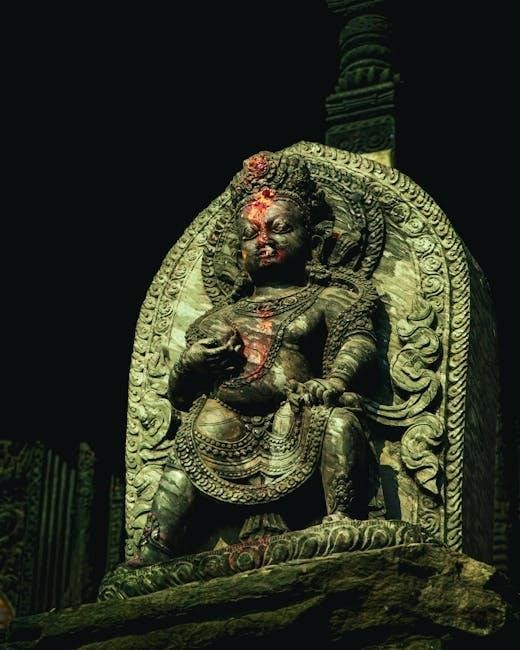
The Significance of Namakam
Namakam, the first major section of Sri Rudram, consists of names and epithets of Lord Rudra Shiva. These aren’t simply labels, but rather evocative descriptions of His power, glory, and diverse manifestations. Each name reveals a different aspect of the divine, painting a comprehensive portrait of the deity. The recitation of these names is believed to invoke Rudra’s presence and blessings.
The structure of Namakam is characterized by a series of questions and affirmations, creating a dynamic and engaging dialogue with the divine. Telugu PDFs of Sri Rudram often include transliteration and explanations of these names, making them accessible to a wider audience. Understanding the meaning behind each name deepens the devotional experience. The Namakam section is crucial for establishing a connection with the energetic and transformative forces represented by Lord Shiva, and its Telugu versions are invaluable resources.
Understanding Chamakam
Chamakam, the concluding part of Sri Rudram, is a hymn of offerings. Unlike Namakam’s focus on names, Chamakam details various gifts and oblations presented to Lord Rudra. These offerings aren’t limited to material possessions; they encompass senses, vital energies, and even the entirety of existence. Each verse ends with the phrase “Chamakam,” signifying the act of offering.
Telugu PDFs of Sri Rudram frequently present Chamakam with detailed explanations of the symbolic meaning behind each offering. This section is considered particularly potent for fulfilling desires and attaining spiritual growth. Reciting Chamakam is believed to purify the mind and body, fostering a sense of gratitude and surrender. The availability of Telugu PDFs makes this powerful hymn accessible, allowing devotees to participate in this ancient tradition and deepen their devotion to Lord Shiva.
Historical Context of Sri Rudram
Sri Rudram originates from the Krishna Yajurveda, specifically the Taittiriya Samhita. Its roots trace back to ancient Vedic times, likely composed between 800-600 BCE. Traditionally, it’s attributed to Rishi Patanjali, though the exact authorship remains debated. The text gained prominence through its incorporation into various Shaiva traditions and rituals.
Over centuries, Sri Rudram spread across India, adapting to regional languages and customs. The Telugu rendition, available in PDF format, reflects this adaptation, making the hymn accessible to Telugu-speaking devotees. The preservation of Sri Rudram in texts and oral traditions demonstrates its enduring spiritual significance. Telugu PDFs often include historical notes, providing context for understanding the hymn’s evolution and its place within the broader Vedic and Shaiva landscape.

Components of Sri Rudram
Sri Rudram comprises three core sections: the Sri Rudram itself, the Namakam, and the Chamakam, all available in Telugu PDF versions for devotional practice.
Sri Rudram: The Core Text
Sri Rudram, the foundational element of this sacred hymn collection, consists of chants dedicated to Lord Shiva, specifically Rudra, a fierce deity representing the destructive and transformative aspects of the divine. Telugu PDF versions of Sri Rudram provide the verses in Devanagari script alongside transliteration, aiding pronunciation for those unfamiliar with Sanskrit.
The text is structured into fourteen namakas (chapters), each containing a series of invocations and praises. These verses detail the attributes and powers of Rudra, seeking his blessings for protection, well-being, and spiritual liberation. Many Telugu PDFs include detailed explanations of each verse, enhancing understanding.
Devotees often recite Sri Rudram as a powerful means of connecting with the divine energy of Shiva, fostering inner peace and purification. The availability of Telugu PDFs makes this ancient text accessible to a wider audience, preserving its spiritual significance for generations.
Namakam: Detailed Exploration
Namakam, constituting the majority of Sri Rudram, comprises a series of questions and praises directed towards Rudra. Telugu PDF resources dedicated to Namakam often present the verses with detailed transliteration and word-by-word meanings, facilitating accurate recitation and comprehension. Each of the twelve namakas within this section explores different facets of Rudra’s power and glory.
The questions posed in Namakam aren’t inquiries seeking answers, but rather invocations designed to awaken the divine energy within Rudra. These are followed by powerful praises, acknowledging his omnipresence and benevolent nature. Telugu PDFs frequently include swara notation, guiding proper chanting and intonation.
Studying Namakam through Telugu PDFs allows devotees to delve deeper into the philosophical and spiritual significance of each verse, fostering a profound connection with Lord Shiva and unlocking the transformative potential of this ancient hymn.
Chamakam: A Hymn of Offerings
Chamakam, the concluding section of Sri Rudram, is a beautiful hymn of offerings, where the devotee expresses a desire to bestow various gifts upon Lord Rudra; Telugu PDF versions of Chamakam meticulously present these offerings – encompassing wealth, progeny, health, and spiritual wisdom – in a structured and accessible format.
Each verse in Chamakam ends with the phrase “chamakam,” signifying the act of offering. These Telugu PDFs often include explanations of the symbolic meaning behind each offering, enhancing understanding and devotion. The hymn isn’t merely about material gifts, but a surrender of one’s entire being to the divine.
Accessing Chamakam through Telugu PDFs allows practitioners to learn the correct pronunciation and rhythm, enriching their spiritual practice and fostering a deeper connection with Lord Shiva’s grace;

Availability of Telugu PDFs
Numerous websites offer Sri Rudram Namakam Chamakam Telugu PDFs, ranging from free downloads to paid, more scholarly editions for dedicated study.
Sources for Sri Rudram Namakam Chamakam Telugu PDF
Finding Sri Rudram Namakam Chamakam in Telugu PDF format is surprisingly accessible, with several online platforms hosting these sacred texts. Websites like Sanskritdocuments.org provide downloadable PDFs, often including transliteration and Swara notation. Additionally, platforms like Scribd and various devotional websites frequently offer these texts for free viewing or download.
For more structured learning, exploring resources linked to spiritual teachers like Chaganti Koteswara Rao, whose discourses (Amrutha Dhara) often reference these hymns, can lead to relevant PDF materials. Gyana Yogi TV’s associated online resources may also contain links or downloadable PDFs. Remember to verify the source’s authenticity and accuracy when downloading from less-known websites. Searching specifically for “Sri Rudram Chamakam Telugu PDF” will yield a multitude of results, requiring careful evaluation.
Free vs. Paid PDF Resources
Numerous free PDF resources for Sri Rudram Namakam Chamakam in Telugu are available, primarily from devotional websites and online archives. These often provide the text itself, sometimes with basic transliteration. However, the quality can vary significantly; some may contain errors or lack proper formatting. Paid resources, though less common, generally offer higher quality PDFs with accurate transliteration, Swara notation, and potentially, detailed explanations.
The value proposition of paid PDFs lies in their reliability and scholarly accuracy. They may be curated by experienced pandits or institutions, ensuring a more authentic experience. Free resources are excellent for initial access and personal study, but for serious practitioners or those seeking precise pronunciation, investing in a well-vetted paid PDF might be worthwhile. Consider the source’s reputation before making a decision.
Reliability of Online PDF Sources
Assessing the reliability of online Sri Rudram Namakam Chamakam Telugu PDF sources is crucial. Many websites host these texts, but their accuracy isn’t always guaranteed. Look for PDFs originating from reputable organizations or individuals known for Vedic scholarship. Websites associated with established temples, spiritual leaders like Chaganti Koteswara Rao (through resources like Amrutha Dhara), or Sanskrit learning institutions are generally more trustworthy.
Be cautious of PDFs from unknown sources or those with visible errors in the Telugu script or transliteration. Cross-reference the text with known, reliable versions if possible. Check for consistent formatting and the inclusion of essential elements like proper Swara notation. User comments or reviews, if available, can also provide insights into a PDF’s quality. Prioritize sources that clearly state their origins and any editorial processes used.

Key Features of Telugu PDFs
Sri Rudram Telugu PDFs often include transliteration, Swara notation for accurate chanting, and vary in page count depending on the included texts and formatting.
Transliteration and Script
Telugu PDFs of Sri Rudram Namakam Chamakam frequently feature transliteration, a crucial element for those unfamiliar with the original Sanskrit script. This involves representing the Sanskrit sounds using the Telugu script, making the verses accessible to a wider audience. The quality of transliteration can vary between different PDFs; some offer a precise phonetic rendering, while others may prioritize readability over strict accuracy.
The script used is typically the standard Telugu script, though variations in font styles and sizes can be observed. Some PDFs might employ specific fonts designed to better represent Sanskrit sounds within the Telugu framework. Accurate transliteration is vital for correct pronunciation, which is considered paramount in Vedic chanting; Users should carefully examine the transliteration to ensure it aligns with established pronunciations and scholarly interpretations. The presence of clear and accurate transliteration significantly enhances the usability of these PDFs for both beginners and experienced practitioners.
Swara Notation in Telugu PDFs
Swara notation, indicating the melodic contour of chanting, is a highly sought-after feature in Telugu PDFs of Sri Rudram Namakam Chamakam. These notations, often represented using numerical symbols or specific characters, guide practitioners in reciting the verses with the correct intonation and rhythm. The availability of Swara notation varies considerably; some PDFs include detailed markings for each syllable, while others offer only a basic outline.
The notation systems employed can differ, reflecting various schools of Vedic chanting. Understanding the specific notation used is crucial for accurate rendition. PDFs with Swara notation are particularly valuable for those learning to chant from a guru or seeking to deepen their understanding of the melodic aspects of the hymns. However, deciphering the notation can be challenging without prior knowledge or guidance. Therefore, PDFs offering explanations alongside the notation are highly recommended for effective learning and practice.
Page Count and Document Length
The page count of Sri Rudram Namakam Chamakam Telugu PDFs varies significantly depending on the inclusion of transliteration, translation, commentary, and Swara notation. Basic text-only versions might span 10-15 pages, while more comprehensive editions, featuring detailed explanations and multiple scripts, can easily exceed 50 pages. Documents containing Sri Rudram Laghunyasam, a condensed version, tend to be shorter, often around 5-10 pages.
Document length also depends on formatting choices like font size, margins, and the presence of illustrations. Larger font sizes and wider margins naturally increase the page count. When searching for a PDF, consider your specific needs – a concise version for quick reference or a detailed edition for in-depth study. Checking the file size before downloading can provide a rough estimate of the document’s complexity and content volume.

Using Sri Rudram Namakam Chamakam in Practice
Telugu PDFs facilitate dedicated practice, enabling correct pronunciation and fostering a deeper connection with the divine through regular, informed chanting of these powerful hymns.
Recitation Techniques
Effective recitation of Sri Rudram Namakam Chamakam, particularly utilizing Telugu PDFs, benefits greatly from understanding proper techniques. Many resources emphasize the importance of Swara notation, present within some PDF versions, guiding melodic intonation for accurate pronunciation. Beginners often start with slower, deliberate chanting, focusing on each syllable.
Consistent practice is key; daily recitation, even for a short duration, builds familiarity and improves fluency. Utilizing the transliteration provided in Telugu PDFs assists those unfamiliar with the Devanagari script. Some practitioners advocate for reciting along with audio recordings, available online, to refine pronunciation and rhythm.
Furthermore, understanding the meaning of the verses, often found in accompanying commentaries within comprehensive PDF resources, enhances the devotional aspect of the recitation. A focused mind and respectful attitude are considered essential for maximizing the spiritual benefits derived from chanting these sacred hymns.
Importance of Pronunciation
Precise pronunciation is paramount when reciting Sri Rudram Namakam Chamakam, even when utilizing Telugu PDF resources for guidance. Vedic mantras are believed to hold power within their sonic vibrations, and incorrect articulation can diminish their efficacy. The Telugu transliteration within PDFs aids in accurate sound production for those unfamiliar with Sanskrit phonetics.
Particular attention should be paid to nasal sounds and subtle vowel variations, often clarified by Swara notation found in detailed PDF versions. Mispronunciation can alter the mantra’s inherent energy. Seeking guidance from experienced teachers or utilizing audio recordings alongside the PDF is highly recommended.
Consistent, correct pronunciation isn’t merely about linguistic accuracy; it’s about honoring the sacredness of the text and ensuring the intended benefits of the chanting are realized. Devotees often emphasize that sincere effort towards correct pronunciation is valued alongside perfect execution.
Benefits of Regular Chanting

Regular chanting of Sri Rudram Namakam Chamakam, facilitated by accessible Telugu PDFs, is believed to yield profound spiritual and psychological benefits. Devotees report increased mental clarity, emotional stability, and a deepened connection with the divine. The vibrations generated during recitation are thought to purify the energy field and promote inner peace.
Consistent practice, guided by the Telugu script in available PDFs, can help overcome negative thought patterns and cultivate a sense of gratitude. It’s considered a powerful practice for removing obstacles and attracting positive energy. Many believe it aids in self-realization and liberation.
Furthermore, the rhythmic nature of the chanting is calming and can reduce stress. Utilizing Telugu PDFs allows for focused practice, enhancing the meditative quality of the recitation and maximizing its positive impact on overall well-being.

Related Texts and Resources
Exploring Sadashiva Brahmendra Songs, Chaganti Koteswara Rao’s discourses (Amrutha Dhara), and Gyana Yogi TV live streams complements Sri Rudram study.
Sadashiva Brahmendra Songs Connection
Sri Rudram’s profound spiritual essence resonates within the compositions of Sadashiva Brahmendra, a revered saint and composer. His songs, deeply rooted in Advaita Vedanta, often echo the themes of devotion and surrender found within the Chamakam and Namakam sections. Many devotees find that listening to these songs enhances their understanding and appreciation of Sri Rudram’s verses.
The lyrical content of Brahmendra’s works frequently references Lord Shiva, aligning with the central deity praised throughout Sri Rudram. Furthermore, the musicality and devotional fervor present in his songs create a conducive atmosphere for contemplation and chanting. Resources listing lyrics of Sadashiva Brahmendra Songs are available online, allowing practitioners to connect these musical expressions with the textual study of Sri Rudram Namakam Chamakam in Telugu PDF format;
This synergistic relationship between text and song provides a holistic approach to spiritual practice, enriching the devotee’s experience.
Chaganti Koteswara Rao’s Discourses (Amrutha Dhara)
Chaganti Koteswara Rao, a highly respected Telugu spiritual orator, offers insightful discourses on Vedic texts, including Sri Rudram Namakam Chamakam, through his series “Amrutha Dhara.” These lectures provide a detailed explanation of the hymns’ meaning, philosophical underpinnings, and practical applications for spiritual growth.
His teachings often delve into the nuances of each verse, clarifying complex concepts and making them accessible to a wider audience. Accessing recordings or transcripts of Amrutha Dhara can significantly enhance one’s comprehension when studying Sri Rudram using a Telugu PDF. These discourses illuminate the significance of the chants and their relevance to contemporary life.
Devotees seeking a deeper understanding often supplement their reading of the Telugu PDF with Koteswara Rao’s explanations, fostering a more profound connection with the sacred text and its inherent wisdom.
Gyana Yogi TV Live Streams
Gyana Yogi TV frequently broadcasts live streams featuring recitations and explanations of Vedic hymns, including Sri Rudram Namakam Chamakam. These broadcasts often include Telugu translations and interpretations, making them a valuable resource for those studying the text via PDF.
Watching these live streams can provide correct pronunciation guidance and a deeper understanding of the hymns’ spiritual significance. The channel often features learned scholars who elucidate the meaning of the verses, complementing the textual study from a Telugu PDF version.
Accessing these streams allows devotees to participate in a communal chanting experience, enhancing their personal practice. Furthermore, Gyana Yogi TV’s content often connects Sri Rudram to broader Hindu philosophical concepts, enriching the overall learning process alongside the Telugu PDF resource.

Advanced Study of Sri Rudram
Sri Rudram’s ten chapters, detailing Lord Shiva’s attributes, are explored in Telugu PDFs, alongside Rudram Laghunyasam, for dedicated scholarly pursuit.
The Ten Chapters and Their Themes
Sri Rudram is meticulously divided into ten chapters, each unfolding a unique facet of Lord Shiva’s divine presence and power. Telugu PDF resources often provide detailed breakdowns of these sections, aiding deeper comprehension. The initial chapters typically focus on invoking Rudra, establishing a foundational reverence. Subsequent chapters progressively elaborate on His various attributes – fierce, benevolent, and all-encompassing.
These themes are interwoven with prayers for protection, prosperity, and spiritual liberation. The PDFs frequently highlight how each chapter builds upon the previous, creating a cohesive and powerful hymn. Scholars note that the chapters aren’t merely descriptive but are potent mantras designed to connect the devotee with the divine energy of Rudra. Understanding these thematic progressions, as presented in Telugu PDFs, unlocks a richer experience during recitation and contemplation. The concluding chapters often emphasize the all-pervading nature of Shiva, culminating in a profound sense of unity.
Attributes of Lord Shiva in Sri Rudram
Sri Rudram, accessible through Telugu PDFs, extensively details Lord Shiva’s multifaceted attributes. The text doesn’t portray a singular image, but rather a spectrum of divine qualities. He is revered as both the destroyer and the preserver, embodying cosmic forces beyond human comprehension. Telugu PDFs often explain how Rudra is invoked with names signifying strength, ferocity, and healing power.
The hymn highlights Shiva as the source of creation, sustenance, and dissolution, emphasizing His role in the cyclical nature of existence. PDF resources frequently translate the Sanskrit names, revealing layers of meaning related to nature, weaponry, and spiritual concepts. Attributes like ‘Nilakantha’ (blue-throated) and ‘Mahadeva’ (great god) are explained within the context of His cosmic dance and meditative stillness; These Telugu PDFs illuminate Shiva’s all-encompassing nature, a deity simultaneously terrifying and benevolent.
Rudram Laghunyasam in Telugu
Rudram Laghunyasam, a condensed version of Sri Rudram, is also available in Telugu PDF format, catering to practitioners seeking a shorter, yet potent, recitation. These PDFs often present the Laghunyasam alongside transliteration and explanations, aiding correct pronunciation and understanding. The Laghunyasam retains the core essence of the original hymn, focusing on the most significant names and attributes of Lord Shiva.

Telugu PDFs dedicated to Laghunyasam frequently include Swara notation, crucial for maintaining the melodic integrity during chanting. The five-page documents mentioned online suggest a structured presentation of the text, potentially breaking down the Laghunyasam into sections for easier learning. These resources are valuable for those with limited time or those beginning their study of Sri Rudram, offering a manageable entry point into this powerful Vedic tradition.