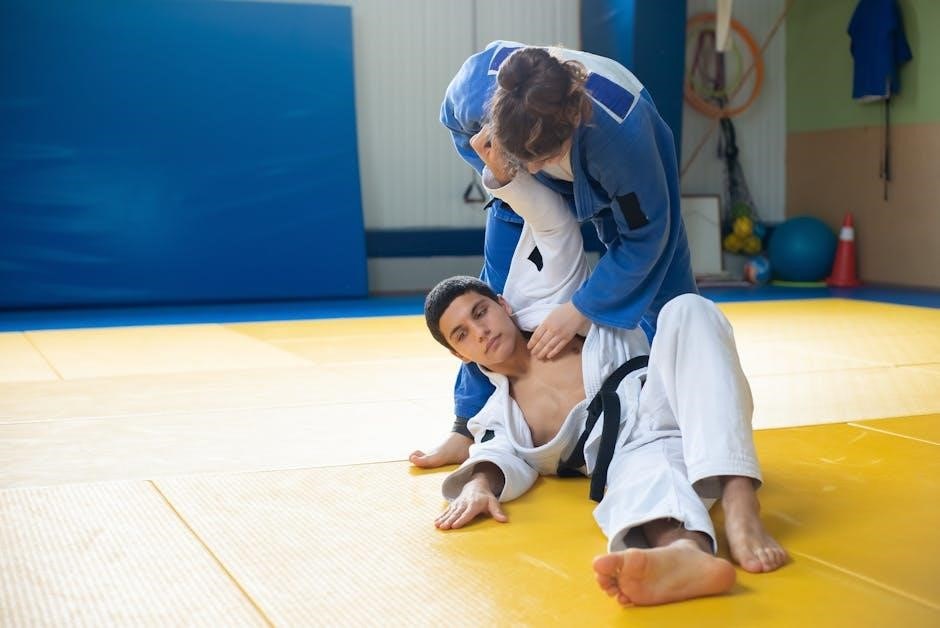
Tatami Gi Size Guide: A Comprehensive Overview (Updated 12/31/2025)
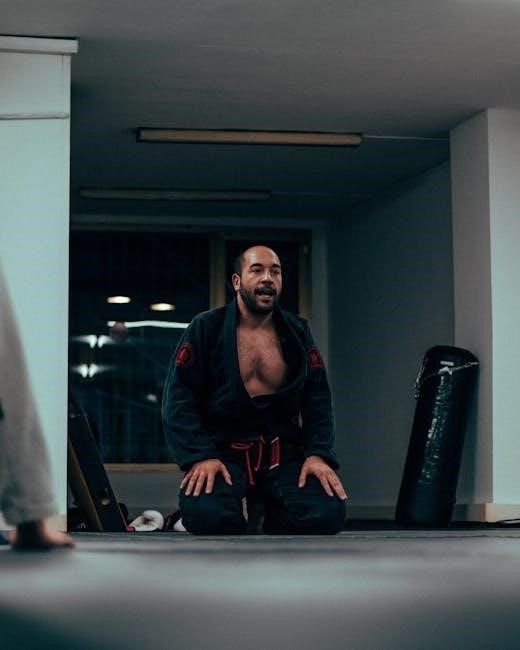
Navigating tatami gi sizing requires understanding various factors, including brand specifics, material shrinkage, and body measurements. Accurate sizing ensures comfort and performance during training, avoiding restrictions.
Understanding Tatami Gi Sizing
Tatami gi sizing isn’t a one-size-fits-all scenario; it’s a nuanced process influenced by several key elements. Unlike standard clothing, gi sizing often considers both height and body build, with variations between manufacturers. Understanding these differences is crucial for a comfortable and functional fit. The core principle revolves around ensuring freedom of movement during grappling and training, without excessive looseness that could hinder performance or create a safety hazard.
Traditional sizing often leans towards a more generous cut, while newer models may feature slimmer, more athletic fits. Material composition also plays a role – cotton gis tend to shrink more than synthetic blends. Therefore, considering potential shrinkage is vital when selecting a size; Furthermore, individual preferences regarding gi weight and overall feel contribute to the ideal fit. A properly sized gi allows for unrestricted movement, optimal grip, and a confident presence on the mat. Careful consideration of these factors will lead to a successful purchase;
Why Accurate Sizing Matters
Proper tatami gi sizing extends far beyond mere aesthetics; it directly impacts performance, safety, and hygiene. An ill-fitting gi can severely restrict movement, hindering techniques and increasing the risk of injury during grappling. A gi that’s too small can cause tearing and discomfort, while an overly large gi presents a tripping hazard and offers an easy grip for opponents.
Beyond physical implications, accurate sizing contributes to hygiene. A snug, well-fitted gi minimizes excess fabric, reducing the accumulation of sweat and bacteria. This is particularly important in a close-contact sport like Brazilian Jiu-Jitsu. Furthermore, a correctly sized gi demonstrates respect for training partners, avoiding unintentional interference or discomfort during rolls. Investing time in precise measurements and understanding sizing charts ensures a positive training experience, maximizing performance and minimizing potential drawbacks. Ultimately, a well-fitted gi is an essential component of a grappler’s toolkit.
Standard Tatami Gi Sizes
Tatami gi sizes generally follow a standardized grading system, though variations exist between brands. Common sizes include A000, A00, A0, A1, A2, A3, A4, and A5, with A000 being the smallest and A5 the largest. These sizes aren’t directly correlated to height or weight, making accurate measurements crucial. However, as a general guideline, A0 often suits individuals around 5’3” to 5’6” and 130-150lbs, while A2 typically fits those between 5’7” and 5’10” weighing 160-180lbs.
It’s important to note that these are broad estimations. Manufacturers often provide detailed sizing charts specific to their cuts and materials. Youth sizes are also available, typically ranging from F0 to F5. Plus sizes, while less common, are increasingly offered by some brands. Understanding that a size A2 from one brand might fit differently than an A2 from another is key to avoiding sizing errors. Always prioritize individual measurements over relying solely on standard size designations.
Sizing Charts by Brand
Tatami gi sizing isn’t universal; each brand often employs unique cuts and fits. Therefore, relying on a single, generic chart is insufficient. Tatami Fightwear, for example, may have different dimensions for an A2 compared to Kingz or Fuji. Always consult the specific brand’s sizing chart before purchasing. These charts typically detail measurements for height, chest, sleeve length, and inseam, allowing for a more precise fit.
Many brands host detailed sizing guides on their websites, often including visual representations and instructions on how to accurately measure. Some even offer printable charts for convenient reference. Websites specializing in martial arts apparel frequently compile links to brand-specific charts, streamlining the research process. Be aware that sizing can also vary within a brand’s product lines – a competition gi might fit differently than a training gi. Prioritizing brand-specific charts minimizes the risk of incorrect sizing and ensures optimal comfort and performance.
Measuring for a Tatami Gi: Height
Height is a crucial starting point for determining your initial gi size, but it shouldn’t be the sole factor. Stand tall against a wall, ensuring your feet are flat and your back is straight. Have someone accurately measure the distance from the top of your head to the floor. This measurement provides a general guideline, often corresponding to size ranges like A0, A1, A2, and so on.
However, height alone can be misleading, especially for individuals with longer or shorter torsos relative to their height. A taller person with a shorter torso might fit into a smaller size than someone of the same height with a longer torso. Use height as a preliminary indicator, then cross-reference it with other measurements like chest and sleeve length. Brands often provide height ranges for each size, but these are approximations. Always prioritize a snug, yet comfortable fit, allowing for a full range of motion during training. Don’t rely solely on height; consider it a starting point for a more comprehensive assessment.
Measuring for a Tatami Gi: Chest/Bust
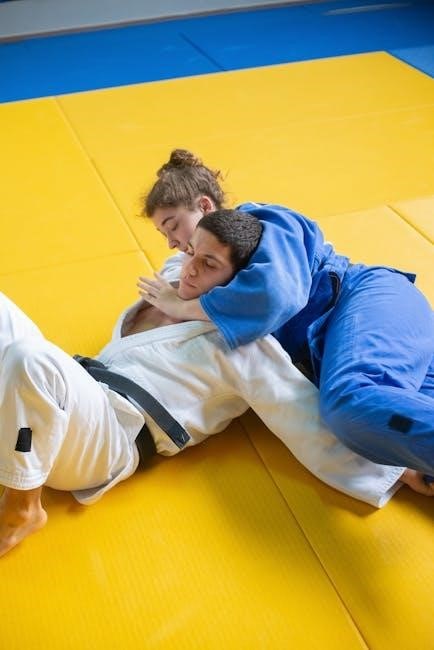
Accurately measuring your chest (for men) or bust (for women) is paramount for a comfortable and functional fit. Wear a properly fitting, non-bulky shirt during measurement. Have someone assist you to ensure the tape measure is level and snug, but not tight, around the fullest part of your chest or bust. Exhale normally during the measurement – do not suck in your stomach.
Record this measurement in inches or centimeters, depending on the sizing chart you’re using. This measurement is often the most critical determinant of gi size, especially when combined with height. A gi that’s too tight across the chest or bust will restrict movement and be uncomfortable during training. Conversely, a gi that’s too loose won’t offer the necessary protection or a secure fit. Compare your measurement to the brand’s specific size chart, paying close attention to the chest/bust range for each size. Remember that variations exist between brands, so always consult the relevant chart.
Measuring for a Tatami Gi: Sleeve Length
Determining the correct sleeve length is crucial for both comfort and adherence to competition regulations. To measure, stand with your arm relaxed and slightly bent. Start the measurement at the center of the back of your neck, and run the tape measure down your shoulder, over the elbow, and to the wrist bone.
Ensure the tape measure remains straight and doesn’t bind. Record this measurement in inches or centimeters. Sleeve length is particularly important for individuals with longer or shorter arms relative to their overall height. A sleeve that is too short will restrict movement and may be uncomfortable, while a sleeve that is too long can be a hindrance during grappling.
Consult the brand’s size chart, as sleeve length varies significantly between manufacturers and gi cuts. Some brands offer different sleeve length options within the same size, catering to a wider range of body types. Prioritize a sleeve length that allows for a full range of motion without being excessively long or restrictive;
Measuring for a Tatami Gi: Shoulder Width

Accurately measuring shoulder width is essential for ensuring a comfortable and properly fitted Tatami Gi. This measurement dictates how the gi sits across your upper back and shoulders, impacting mobility and overall fit. To begin, stand naturally with your arms relaxed at your sides.
Using a flexible tape measure, locate the bony prominence at the very edge of your shoulder (acromion process) on both sides. Measure the straight-line distance between these two points across your back. Keep the tape measure level and avoid pulling it too tightly. This measurement is best taken with assistance to ensure accuracy.
Compare your shoulder width measurement to the brand’s specific size chart. Shoulder width is a key factor, especially for individuals with broader or narrower shoulders relative to their height. A gi with an incorrect shoulder width can feel constricting or allow for excessive fabric, hindering performance. Prioritize a fit that allows for a full range of motion without feeling overly tight or loose.
Measuring for a Tatami Gi: Waist
Determining your waist measurement is crucial for a secure and comfortable fit in your Tatami Gi pants. Unlike standard clothing waist measurements, gi pants are typically sized based on a measurement taken above the natural waistline. This ensures the pants sit correctly and don’t restrict movement during training.

Locate your natural waistline – usually the narrowest part of your torso. Then, move approximately 2-3 inches above this point. This is where you’ll take your measurement. Stand relaxed, and use a flexible tape measure to circle your torso at this elevated position. Ensure the tape is snug but not overly tight; you should be able to comfortably slide a finger underneath.
Refer to the brand’s size chart and match your waist measurement to the corresponding gi pant size. Remember that gi pants often have a drawstring for adjustment, but starting with the correct size is vital. A properly fitted waist allows for unrestricted movement and prevents the pants from slipping during vigorous activity. Consider your body type and preferred fit when selecting your size.
Measuring for a Tatami Gi: Inseam/Pants Length
Accurately measuring your inseam is essential for ensuring your Tatami Gi pants are the correct length, preventing tripping hazards and maximizing comfort during training. Unlike standard pant inseam measurements, gi pants often require a slightly different approach due to the desired fit for grappling and movement.
The best way to measure is to have someone assist you while wearing shoes you’d typically train in. Stand with your feet shoulder-width apart. Measure from the crotch (where the pants would sit) down to the desired length at your ankle bone. This length should allow for a slight break in the pants, preventing them from riding up too high during activity.
Alternatively, you can measure a well-fitting pair of pants you already own, using the same crotch-to-ankle measurement. Always consult the specific brand’s size chart, as inseam lengths can vary; Consider whether you prefer a longer or shorter inseam based on your personal preference and training style. A correct inseam length contributes significantly to both safety and performance.
Youth Tatami Gi Sizing
Sizing Tatami Gis for children requires careful consideration, as youth sizing differs significantly from adult measurements. Children grow rapidly, so it’s crucial to avoid purchasing a gi that will be outgrown within a few months. Prioritize a comfortable fit that allows for movement, but isn’t excessively loose, which can be a safety concern during training.
Unlike adult gis which often focus on height and weight, youth sizing frequently emphasizes age ranges alongside measurements. However, relying solely on age can be inaccurate. Always measure your child’s height, chest, and inseam. Compare these measurements to the brand’s specific youth size chart.
Consider purchasing a slightly larger gi and utilizing the gi shrinkage factor (typically 5-10%) to achieve a better fit after washing. Avoid overly large gis, as they can hinder movement and potentially create a tripping hazard. Regularly check your child’s gi fit and be prepared to size up as they grow. Prioritize safety and comfort when selecting a youth Tatami Gi.
Women’s Specific Tatami Gi Sizing
Traditionally, many gis were designed with a more masculine cut, leading to an ill-fitting experience for women. However, recognizing this disparity, several brands now offer women’s specific Tatami Gis, tailored to accommodate female body shapes. These gis typically feature a slimmer cut through the torso and waist, and often have shorter sleeve lengths.
When selecting a women’s gi, prioritize measurements over simply choosing a size based on height and weight. Pay close attention to chest/bust and waist measurements, as these are the most critical areas for a comfortable and functional fit. Shoulder width is also important to ensure a full range of motion.
Some women may find they fit well into unisex gis by sizing down, but this isn’t always the case. Trying on a women’s specific gi is highly recommended. Consider the gi material; some fabrics have more give and stretch, offering a more adaptable fit. Don’t hesitate to consult brand-specific size charts, as sizing can vary considerably between manufacturers.
Plus Size Tatami Gi Options
Finding a properly fitting Tatami Gi can be challenging for individuals requiring plus sizes, but options are expanding. Historically, larger sizes were limited, forcing practitioners to compromise on comfort and mobility. However, an increasing number of brands are recognizing the demand and extending their size ranges.
When searching for plus size gis, focus on brands that explicitly offer extended sizing, often up to 5XL or beyond. Carefully review the size charts, paying particular attention to chest, waist, and hip measurements. Don’t assume a standard size up will suffice; plus size cuts are often designed with additional room for comfort.
Consider the gi’s cut and material. A more generous cut will provide greater freedom of movement. Some heavier-weight gis may feel restrictive, so opting for a lighter-weight fabric could enhance comfort. Custom gi options are also available, allowing for a truly tailored fit, though they typically come at a higher price point. Prioritize accurate measurements to ensure a satisfactory fit.
Understanding Gi Shrinkage
Gi shrinkage is a crucial factor when selecting the correct size, particularly with Tatami Gis. Most gis, especially those made from 100% cotton, will shrink after washing. The amount of shrinkage varies depending on the material’s weight, weave, and washing method.
Pre-shrunk gis are available, but even these may experience minor shrinkage with the first few washes. Expect a typical shrinkage of 5-10% in length and width. To minimize shrinkage, wash your gi in cold water on a gentle cycle and avoid hot drying. Hang drying is highly recommended.
When choosing a size, consider potential shrinkage. If you’re between sizes, it’s generally advisable to size up, accounting for the expected reduction in dimensions. Always check the manufacturer’s recommendations regarding washing and drying, as these can significantly impact the final fit. Understanding shrinkage prevents disappointment and ensures a comfortable, functional gi.
Tatami Gi Materials and Their Impact on Fit
The material composition of a Tatami Gi significantly influences its fit and feel. Traditional gis are typically made from 100% cotton, known for its comfort and absorbency, but also prone to substantial shrinkage. Cotton gis generally offer a looser, more traditional fit.
More modern gis incorporate polyester or cotton blends. These blends often exhibit less shrinkage and maintain their shape better after washing. Polyester blends tend to be lighter and quicker-drying, offering a more athletic, streamlined fit. The ratio of cotton to polyester impacts the gi’s overall characteristics.
Heavier weight cotton (e.g., 12oz or higher) will shrink more than lighter weight cotton (e.g., 8oz). Consider the material when selecting your size; a gi made from a polyester blend may require a different size than a 100% cotton gi. Always check the fabric composition before purchasing to ensure the best possible fit.
Comparing Tatami Gi Cuts (Slim Fit vs. Traditional)
Tatami Gis are available in two primary cuts: slim fit and traditional. Understanding the differences is crucial for selecting a gi that complements your body type and training preferences. Traditional cuts offer a looser, more relaxed fit throughout the jacket and pants, prioritizing freedom of movement and comfort.
Slim fit gis, as the name suggests, are tailored closer to the body, providing a more athletic and modern aesthetic. They typically feature pre-shrunk materials and a more streamlined silhouette. These are often favored by competitors who desire a less restrictive fit during grappling.

Consider your build and activity level. If you prefer a comfortable, unrestricted feel, a traditional cut is ideal. For a more tailored, performance-oriented fit, a slim fit gi is a better choice. Be mindful of sizing differences between cuts; a slim fit gi may require sizing up compared to a traditional cut.
Custom Tatami Gi Sizing
For individuals with unique body proportions, or those seeking a truly personalized fit, custom Tatami Gi sizing offers an exceptional solution. This process typically involves submitting detailed body measurements – height, weight, chest, waist, inseam, arm length, and shoulder width – directly to the manufacturer.
Custom gis eliminate the guesswork associated with standard sizing charts, ensuring a precise and comfortable fit. This is particularly beneficial for athletes with longer or shorter limbs, or those who fall between standard sizes. The process often includes a consultation with a sizing specialist to confirm measurements and discuss desired fit preferences.

While custom gis generally come at a higher price point and longer lead time, the investment can be worthwhile for serious practitioners; Expect a detailed measurement guide from the manufacturer and double-check all submissions for accuracy. Custom sizing guarantees a gi tailored specifically to your body, maximizing comfort and performance.
Ordering Tatami Gi Online: Tips & Tricks
Purchasing a Tatami Gi online offers convenience, but requires careful consideration. Always prioritize reviewing the brand’s specific size chart – these vary significantly. Don’t rely solely on your usual clothing size; measurements are crucial. Compare your measurements to the chart, noting any discrepancies.
Read customer reviews specifically mentioning sizing experiences with that brand. Look for comments regarding fit (slim, traditional) and shrinkage after washing. Pay attention to the return and exchange policies before completing your purchase. A generous exchange policy is invaluable if the initial fit isn’t perfect.
Consider the gi’s material and potential shrinkage. Cotton gis typically shrink more than synthetic blends. If between sizes, it’s generally recommended to size up, accounting for potential shrinkage. Double-check the shipping costs and estimated delivery time before finalizing your order. Finally, keep your measurement records for future purchases!

Tatami Gi Size Exchange Policies
Understanding a retailer’s exchange policy is vital when purchasing a Tatami Gi online. Policies differ significantly between brands and vendors, so thorough review is essential. Check the timeframe for exchanges – typically ranging from 14 to 30 days from the delivery date.
Confirm whether the exchange is free of charge, or if you’re responsible for return shipping costs. Some retailers offer free exchanges only for sizing issues, not for preference changes. Inspect the gi immediately upon arrival to ensure it’s unworn, unwashed, and with all original tags attached. Most policies require this condition for eligibility.
Clarify if the exchange is for the same gi model and color, or if you can exchange for a different one. Understand the process for initiating an exchange – often requiring a return authorization number. Keep all shipping documentation as proof of return. Finally, note any restocking fees that might apply to exchanged items.
Where to Find Detailed Brand-Specific Size Charts
Locating accurate, brand-specific size charts is crucial for a proper Tatami Gi fit. Start with the official Tatami Fightwear website; they typically provide comprehensive charts for all their gi models. Check authorized retailer websites like MMA Warehouse, Fighters Market, or Amazon, as they often mirror the official charts.
Look for downloadable PDF size guides, offering detailed measurements for each size. Explore online martial arts forums and communities; experienced practitioners frequently share sizing advice and links to charts. Utilize brand-specific sizing apps if available, offering interactive measurement tools.
Pay attention to customer reviews; users often mention whether a gi runs true to size or if adjustments are needed. Contact the retailer’s customer support directly if you have questions or need clarification. Always prioritize the brand’s official chart over generic sizing guides, as cuts and materials vary significantly.