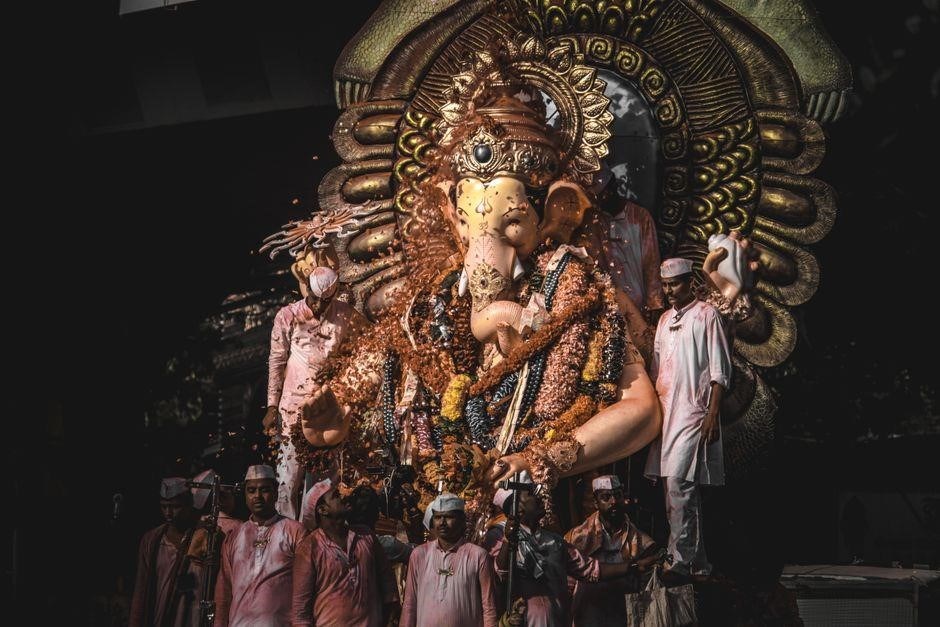
Ganesh Aarti PDF offers devotees a convenient way to access traditional hymns, chants, and rituals associated with Lord Ganesha These sheets preserve ancient verses, enabling worshippers to perform the ceremonyhome or in temples with ease!
1.1 What Is Ganesh Aarti?

Ganesh Aarti, a devotional ritual, is a melodic offering performed to honor Lord Ganesha, the remover of obstacles and patron of arts and intellect. The ceremony typically unfolds in the early morning or evening, when devotees gather around a lit lamp or incense, chanting hymns that praise the deity’s benevolent attributes. Aarti involves a series of rhythmic movements: the worshiper holds a brass or copper lamp, waves it in circular motions while singing verses, and then offers a small bowl of water or sweet offerings. The ritual’s core is the recitation of the Ganesha Aarti song, a lyrical composition that blends Sanskrit and regional dialects to express gratitude and seek blessings. Each stanza is accompanied by a gentle drumbeat, clapping, and the soft glow of the lamp, creating an atmosphere of reverence and joy. The practice is rooted in Vedic traditions, where light symbolizes knowledge and the dispelling of ignorance, and the act of offering aarti is seen as a tangible way to connect with the divine presence. By engaging in this ritual, devotees not only honor Ganesha but also cultivate mindfulness, gratitude, and a sense of communal harmony. The ritual’s structure—opening with a prayer, followed by the singing of the aarti, and concluding with a final blessing—provides a framework for spiritual reflection and communal participation. In contemporary settings, the ritual is often accompanied by modern musical arrangements, yet the essence remains unchanged: a heartfelt homage to the elephant‑headed god who embodies wisdom, creativity, and the power to overcome obstacles. Thus, Ganesh Aarti is both a cultural heritage and a living practice that continues to inspire devotion across generations. This PDF format preserves the tradition for modern worshippers.
1.2 Historical Significance
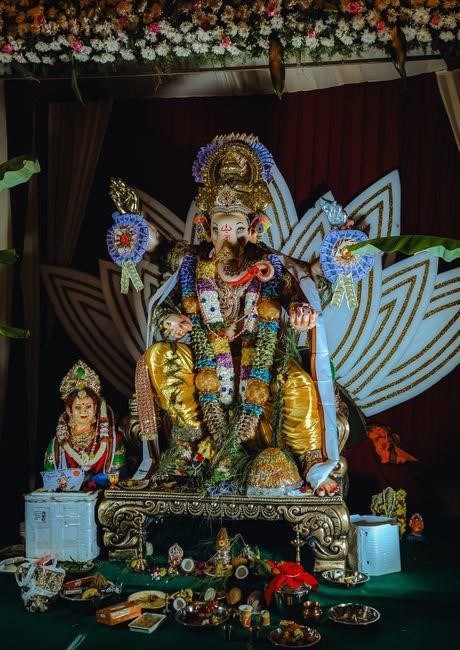
From the earliest Vedic hymns to the elaborate temple liturgy of the modern era, the practice of offering aarti to Lord Ganesha has evolved while retaining its core symbolic meaning. The earliest references to Ganesha appear in the 6th‑century CE inscriptions of the Pallava dynasty, where the deity is invoked as the remover of obstacles. By the 12th century, the aarti tradition had become firmly embedded in temple liturgy, with manuscripts such as the 15th‑century “Ganesha Aarti Prabandha” detailing specific verses, musical notations, and ceremonial steps. The aarti’s melodic structure, combining Sanskrit shlokas with regional folk tunes, reflects the syncretic nature of Indian devotional culture. The advent of printing in the 19th century allowed for the first printed aarti collections, making the hymns accessible to a wider audience. In the 20th century, the rise of mass media and the proliferation of devotional radio and television programs further popularized Ganesha aarti, bringing the ritual into homes across India and the diaspora. Today, digitizing these hymns and PDF compilations preserves the aarti’s lineage, enabling devotees to study original verses, musical compositions, and ritual nuances in a portable format. Its verses echo timeless.! Thus, the historical significance of Ganesh aarti lies not only in its spiritual potency but also in its resilience and adaptability across centuries of cultural change.
Importance of Aarti in Ganesh Worship
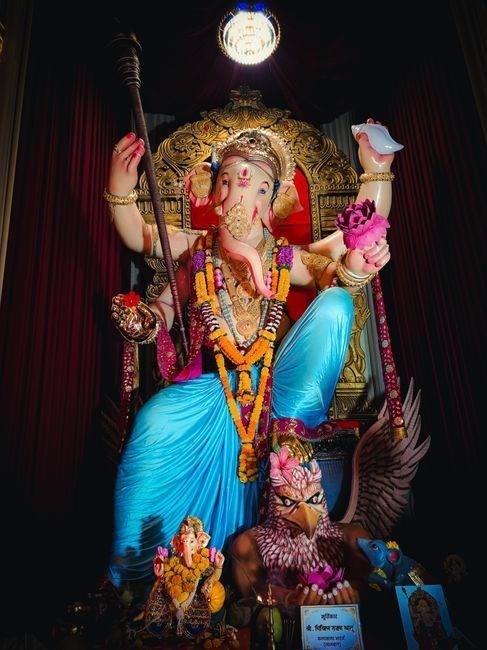
Aarti to Ganesh unites devotion, rhythm, and symbolism, turning worship into a living chant that purifies mind and space. The PDF format preserves ancient verses, enabling faithful practice wherever devotees gather and inspire dailydevotion
2.1 Spiritual Benefits
When devotees use a Ganesh Aarti PDF, the ritual becomes more accessible, allowing them to immerse themselves in the melodic chants that invoke Lord Ganesha’s blessings. The PDF format preserves the precise wording of ancient hymns, ensuring that each verse is recited correctly, which deepens the spiritual connection and fosters mindfulness. By following the structured sequence of lights, incense, and rhythmic movements, practitioners experience a heightened sense of tranquility and focus. The repetitive, soothing sounds of the aarti help to calm the mind, reduce stress, and create a meditative atmosphere conducive to inner reflection. Moreover, the visual clarity of printed or digital pages aids in maintaining proper posture and timing, reinforcing discipline in worship. The act of lighting a lamp while reciting the verses symbolizes the illumination of knowledge and the removal of ignorance, aligning the devotee’s heart with divine grace. Regular practice of Ganesh Aarti through a PDF also cultivates gratitude, patience, and devotion, qualities that enrich personal growth and community harmony. In essence, the spiritual benefits of this ritual are multifaceted, nurturing both individual well‑being and collective spiritual consciousness. Bless
2.2 Cultural Relevance
The Ganesh Aarti PDF acts as a cultural bridge, preserving rituals that have evolved over centuries. By offering a standardized, easily distributable format, it lets communities worldwide share the same hymns, chants, and symbolic gestures, fostering unity among devotees. The PDF captures regional variations—distinct melodic patterns of South and North Indian traditions—ensuring local customs survive the digital age. In schools, teachers use these documents to introduce students to the historical context of Ganesh worship, linking mythological stories with contemporary practice. The accessibility of the PDF encourages intergenerational participation; elders guide younger family members through the steps, while the digital version can be printed or displayed on screens during festivals. By maintaining the authenticity of the aarti’s lyrics and sequence, the PDF reinforces cultural identity and continuity, allowing diaspora communities to reconnect with their heritage. Thus, the Ganesh Aarti PDF is not merely a tool for worship but a living archive that sustains cultural relevance across time and space. These PDFs also serve as educational tools, allowing students to study the iconography and symbolism associated with Ganesh. By integrating audio guides, the digital format enhances engagement, making the aarti accessible worldwide!
Ganesh Aarti PDF: An Overview

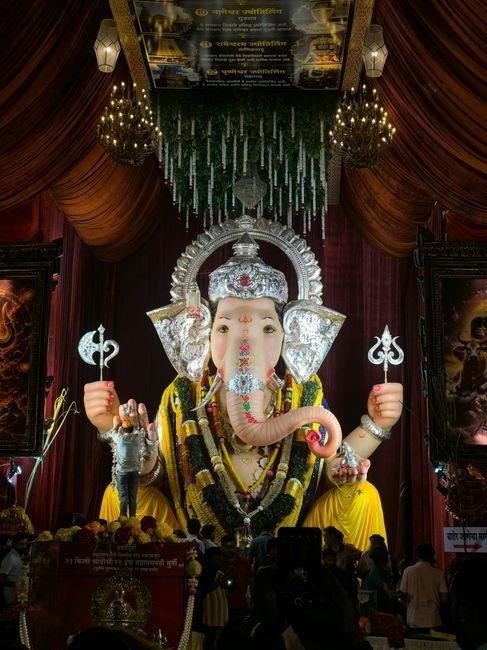
The Ganesh Aarti PDF compiles sacred verses, melodies, and instructions for worship, offering a portable, printable resource that preserves tradition and facilitates devotion across homes and temples worldwide. for daily devotion. and joy.!!
3.1 What Is a Ganesh Aarti PDF?
A Ganesh Aarti PDF is a digital document that encapsulates the traditional hymns, chants, and ritual instructions dedicated to Lord Ganesha. These PDFs are meticulously curated to preserve the original Sanskrit verses, transliterations, and accompanying musical notations. By converting the manuscripts into a portable format, devotees can easily print, display, share the Aarti during personal worship or community gatherings. The PDF often includes a step‑by‑step guide on how to perform the Aarti, detailing the sequence of lamps, incense, and offerings. Additionally, many versions incorporate audio links or QR codes that allow users to listen to the chant while following along with the printed text. This integration of visual and auditory elements enhances the devotional experience, making the sacred practice more accessible to those who may not be fluent in Sanskrit or familiar with traditional recitation patterns. Moreover, the digital format ensures that the hymns remain free from physical degradation, allowing future generations to maintain continuity in their worship practices. Whether used in a quiet home setting or a bustling temple, the Ganesh Aarti PDF serves as a bridge between ancient tradition and modern convenience, fostering a deeper connection with the divine presence of Ganesha. It is also an educational tool for research in!
3.2 Where to Find High‑Quality PDFs
High‑quality Ganesh Aarti PDFs can be sourced from a variety of reputable platforms that prioritize authenticity and scholarly accuracy. First, official temple websites—such as the Shree Swaminarayan Temple, the Puri Jagannath Temple, and the Kashi Vishwanath Temple—often host downloadable hymnals in PDF format, curated by priests and musicologists. Second, cultural institutions like the National Library of India and the Digital Library of India provide digitized collections of ancient manuscripts, many of which include Ganesha‑centric liturgies. Third, publishers such as Motilal Banarsidass, Motilal S. Jain, and Prabhat Prakashan release annotated editions of Aarti texts that are available for purchase or free download on their official sites; Fourth, established online repositories such as Archive.org and the Internet Archive host user‑generated uploads that have been verified by community moderators for fidelity to the original script. Finally, academic portals like JSTOR and Google Scholar can be searched for peer‑reviewed articles that reference or provide supplementary PDF files of the hymns. When selecting a PDF, check for a watermark, a source link, and user reviews to ensure the document’s integrity and usability for worshiprare. Unique

Downloading Ganesh Aarti PDF Safely
To download Ganesh Aarti PDFs safely, use trusted temple sites, official publishers, or verified digital libraries. Verify file integrity with checksums, avoid unknown links, and scan for malware before opening. Download from ve sites for safety.
4.1 Official Websites
Official websites are the safest source for authentic Ganesh Aarti PDFs. Managed by reputable temples or cultural bodies, these portals offer clean, malware‑free downloads that often include audio tracks, transliterations, and explanatory notes. Popular temples such as Shri Siddhivinayak in Mumbai, Pali Vidyalaya in Varanasi, and Ganesh Temple in Pune host dedicated “Worship” or “Downloads” sections. Users can browse by category—daily aarti, festival hymns, or seasonal rites—and click a link to open or save the PDF. The process is simple: click, confirm the file type, and the document appears in the browser or prompts a download. Once saved, the PDF can be printed or viewed on a tablet during personal or group worship. It is wise to back up the file on a secure cloud drive or external storage to avoid accidental loss. Many official sites also offer email subscriptions that deliver new aarti sheets weekly or monthly, ensuring a steady supply of fresh material. By using these trusted channels, devotees protect their devices from security risks and support the preservation of authentic religious traditions. These PDFs also include transliteration guides, letting devotees sing along with confidence and devotion. daily.!
4.2 Community Forums and Libraries
Community forums and digital libraries serve as collaborative hubs where devotees exchange, archive, and refine Ganesh Aarti PDFs. Platforms such as Reddit’s r/IndianReligion, Hinduism Stack Exchange, and specialized Facebook groups allow users to upload scanned originals, share high‑resolution versions, and discuss contextual meanings. These forums often feature threads titled “Best Aarti PDFs” or “Transliteration Help,” where members critique formatting, correct typographical errors, and suggest additional verses. Digital libraries like the Internet Archive, Google Books, and regional cultural repositories host thousands of religious texts, including aarti collections, that can be downloaded in PDF format. Users can search by temple name, festival, or author, ensuring that the material aligns with specific worship traditions. The collaborative nature of forums also encourages peer review; experienced practitioners verify the authenticity of verses, while newcomers learn proper chanting techniques. Libraries provide metadata, such as publication dates and source citations, which help preserve the historical lineage of the hymns. Together, these resources democratize access to sacred texts,!
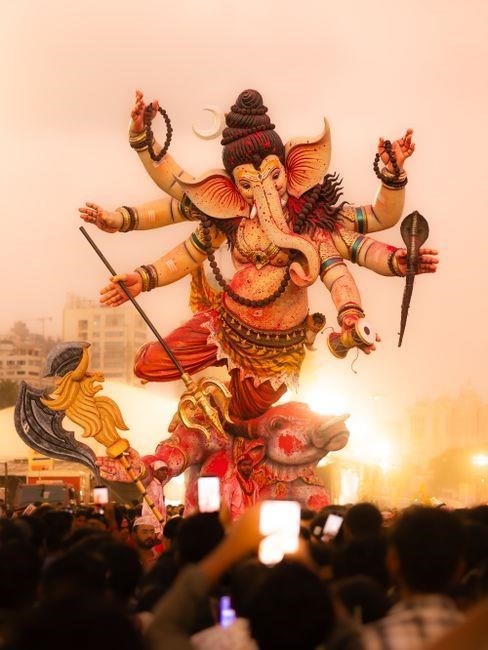
Using Ganesh Aarti PDF in Worship
Printing the PDF on high‑quality paper ensures clarity of verses and images. Place the sheet on the altar, light incense, and recite each line aloud. Digital playback can guide timing, enhancing devotion. Use a soft lamp to illuminate the page!
5.1 Printing Tips
Printing a Ganesh Aarti PDF requires careful selection of paper, printer settings, and post‑processing to preserve its sanctity. Choose a slightly heavier stock (120–150 gsm) for durability and a subtle sheen that complements gold accents. Preview the PDF in full‑page mode to ensure no clipping and enable “borderless” printing if available. Use the highest quality color mode on a color printer; for inkjet users, test a small section first to verify color fidelity, especially for gold foil. If using recycled paper, confirm printer compatibility to avoid jams. After printing, allow sheets to air‑dry to prevent smudging. Open the PDF in a reliable viewer to zoom on details. Set printer DPI to 300 for crisp lines. Use a matte paper. For group recitations, consider printing on A4 or A3 and cutting into sections so each stanza can be read independently. Keep a digital backup to reprint if needed. Label each page with its stanza number for quick reference during chanting. Finally, store the printed Aarti in a clean, dry folder or devotional box to maintain its pristine condition for future worship. Laminate the pages with a matte finish to protect them. If you wish to share the Aarti, scan the pages back into PDF and distribute digitally, keeping the original untouched. Enjoy.
5.2 Digital Playback and Audio Guides
For devotees who prefer a multimedia experience, digital playback and audio guides can transform a simple PDF into an immersive worship session; First, convert the PDF into a PDF‑to‑audio format using text‑to‑speech software that supports Sanskrit or Hindi phonetics. Many open‑source tools allow you to upload the PDF, choose a voice that matches the devotional tone, and export a high‑quality MP3. Next, pair the audio file with a synchronized visual display: use a media player that supports subtitle overlays, loading the PDF as a background image while the audio plays; This way, listeners can follow the lyrics in real time, enhancing concentration. For those who wish to share the experience, create a playlist on streaming platforms, embedding the PDF as a downloadable resource. Add a brief introduction in the audio, explaining the significance of each stanza, and include a gentle instrumental track between verses between verses. Finally, consider hosting the audio guide on a community website or a dedicated YouTube channel, ensuring that the content is freely accessible while respecting copyright laws. By integrating playback with the printed PDF, worshippers can enjoy a flexible, multi‑sensory approach that accommodatestraditional practices.

Common FAQs About Ganesh Aarti PDF
Stay safe. Download safelyFAQs cover legality, download safety, and accessibility. Are PDFs free? Yes, many are public domain. How to ensure safe download? Use official sites or trusted libraries. Can I print or share? Follow copyright rules
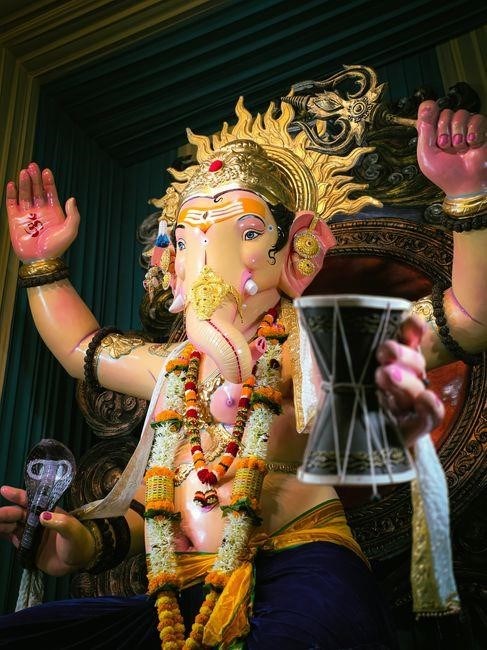
6.1 Legal Considerations
When accessing or sharing Ganesh Aarti PDFs, it is essential to respect intellectual property rights. Many traditional chants are in the public domain, but modern arrangements, translations, or editorial work may be copyrighted. Always verify the source: official temple sites, recognized publishers, or reputable digital libraries typically provide PDFs that are either public domain or licensed for free distribution. If a PDF is marked with a copyright notice, you must obtain permission from the copyright holder before reproducing, distributing, or modifying the content. For personal use, scanning a printed version you own is generally permissible under fair use, but sharing the scanned file online can infringe on copyright. Additionally, some PDFs may contain embedded music scores or audio files that are separately licensed; using them without proper clearance can lead to legal complications. To stay compliant, keep a record of the source, date of download, and any licensing information. When in doubt, contact the publisher or the temple authority that released the PDF. Respecting these legal considerations not only protects you from potential infringement but also supports the creators and preserves the integrity of the devotional material. and honor tradition. for future growth!!
6.2 Accessibility Options
For devotees who rely on assistive technologies, many Ganesh Aarti PDFs are now available in formats that enhance readability and navigation. Screen‑reader friendly versions use clear headings, descriptive alt‑text for images, and logical reading order, allowing visually impaired users to follow the hymn line by line. Some sites offer downloadable text files or e‑books in EPUB and MOBI formats, which can be opened with screen readers or converted to speech. High‑contrast PDF options, with black text on white backgrounds or vice versa, improve visibility for those with low vision. Additionally, audio‑guided Aarti tracks are paired with the PDF, providing synchronized narration that helps users who prefer auditory learning. For users with limited bandwidth, compressed PDFs reduce download size without sacrificing legibility; Accessibility guidelines such as WCAG 2.1 are increasingly applied, ensuring that color contrast ratios meet minimum standards and that interactive elements are keyboard‑navigable. By embracing these options, temples and publishers support inclusive worship, allowing every devotee to participate fully in the sacred ritual regardless of physical or technological constraints. This resource is freely shared for all.